Riparian Logo

THE RIPARIAN NO-MOWS

LEADER: MITCHELL WITEK
WORKERS: ETHAN VAZQUEZ & ERIC BENDER
PEOPLE SUPPORTING US: MR. KNUTH & CAMERON PEDERSON
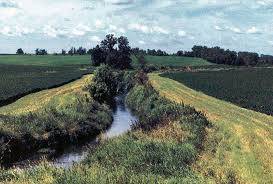
Field with Riparian Buffer

We are trying to create riparian zones & no-mow zones in agricultural areas.

The reason we are doing this is that agriculture causes 60% of water pollution in the Pike River.

What is a riparian zone?
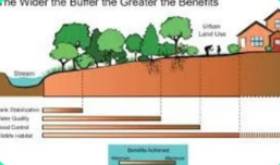
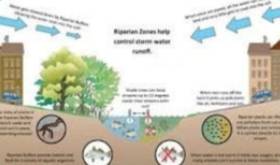
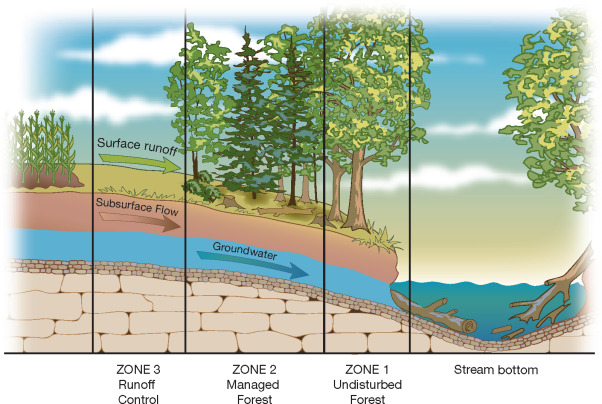
A riparian zone is where plants with deep root systems are placed on a hill at the edge of a river or creek. As precipitation or runoff flows to the creek/river, it is filtered by the plants and gets rid of the pollutants.

What is a no-mow zone?
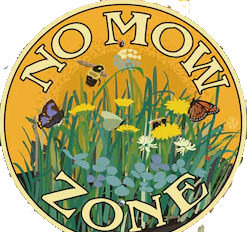
A no-mow zone is where you do not mow the area of plants, and because of this, it can help keep the area fertile and clean out pollutants as the runoff passes through it.

Riparian and no-mow zones work just as well in urban areas or your own backyard. In all, our project aims to benefit aims to benefit wildlife and improve overall water quality.

Riparian Zone

A riparian zone is where plants with deep root systems are placed on a hill at the edge of a river or creek and as precipitation or runoff flows to the creek/rivers it gets filtered and gets rid of all the pollutants.
ripariean-zon-img.jpg
Diagram 1
Diagram 2

No Mow Zone

A no-mow zone is where you do not mow the area of plants, and because of this, it can help keep the soil fertile and clean out the pollutants as the runoff passes through it.
riparian-logo
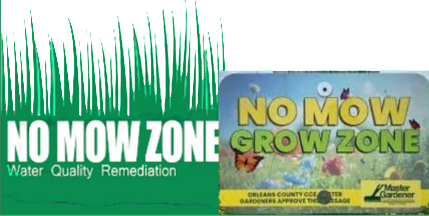
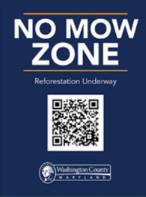
Grow Poster
QR Code
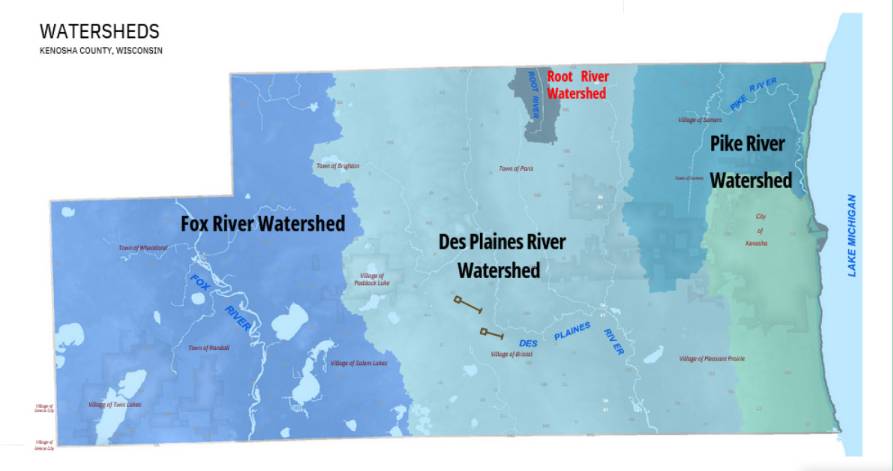
Watershed Map
There are many rivers in Kenosha County.

Our Planting Plan for Riparian/No-Mow Zones

Common and inexpensive native plants are suitable for planting in riparian zones and no-mow zones.

Purple Coneflower
Purple Coneflower
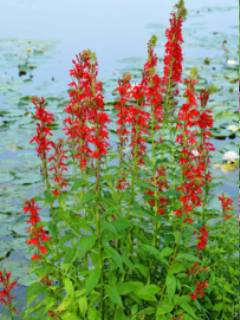
Cardinal Flower
Cardinal Flower
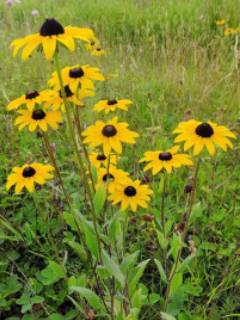
Black-Eyed Susan
Black-Eyed Susan
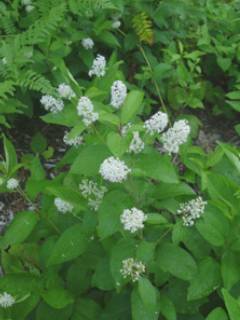
New Jersey Tea
New Jersey Tea
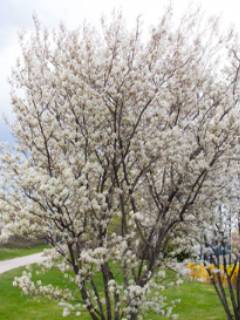
Allegheny Serviceberry
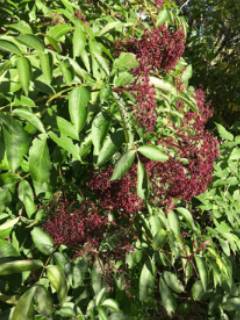
Wild Elderberry
Wild Elderberry